


Capture Yellowstone
Grand Teton 2027
Landscape & Milky Way
Photography Workshop
June 27–July 2 (Sunday–Friday)
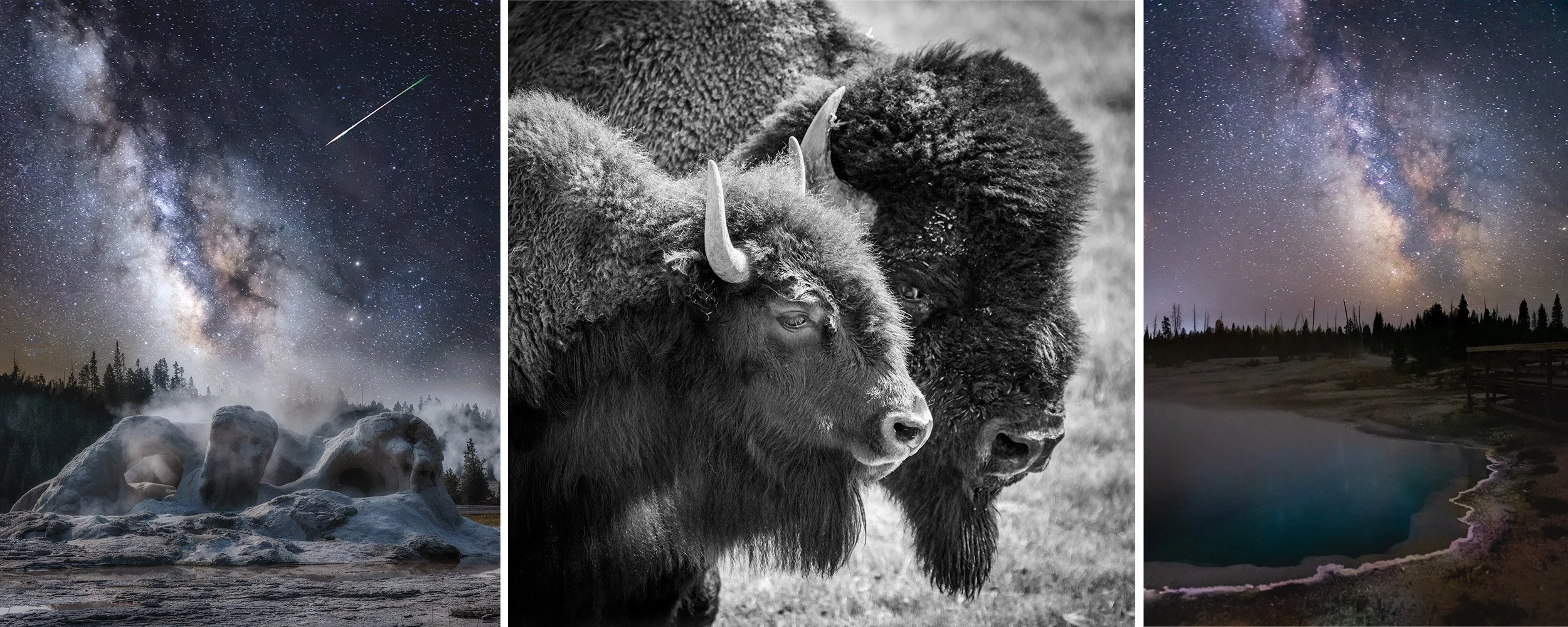
Two icons of the American West
One unforgettable journey
Authorized Permittee of Grand Teton National Park
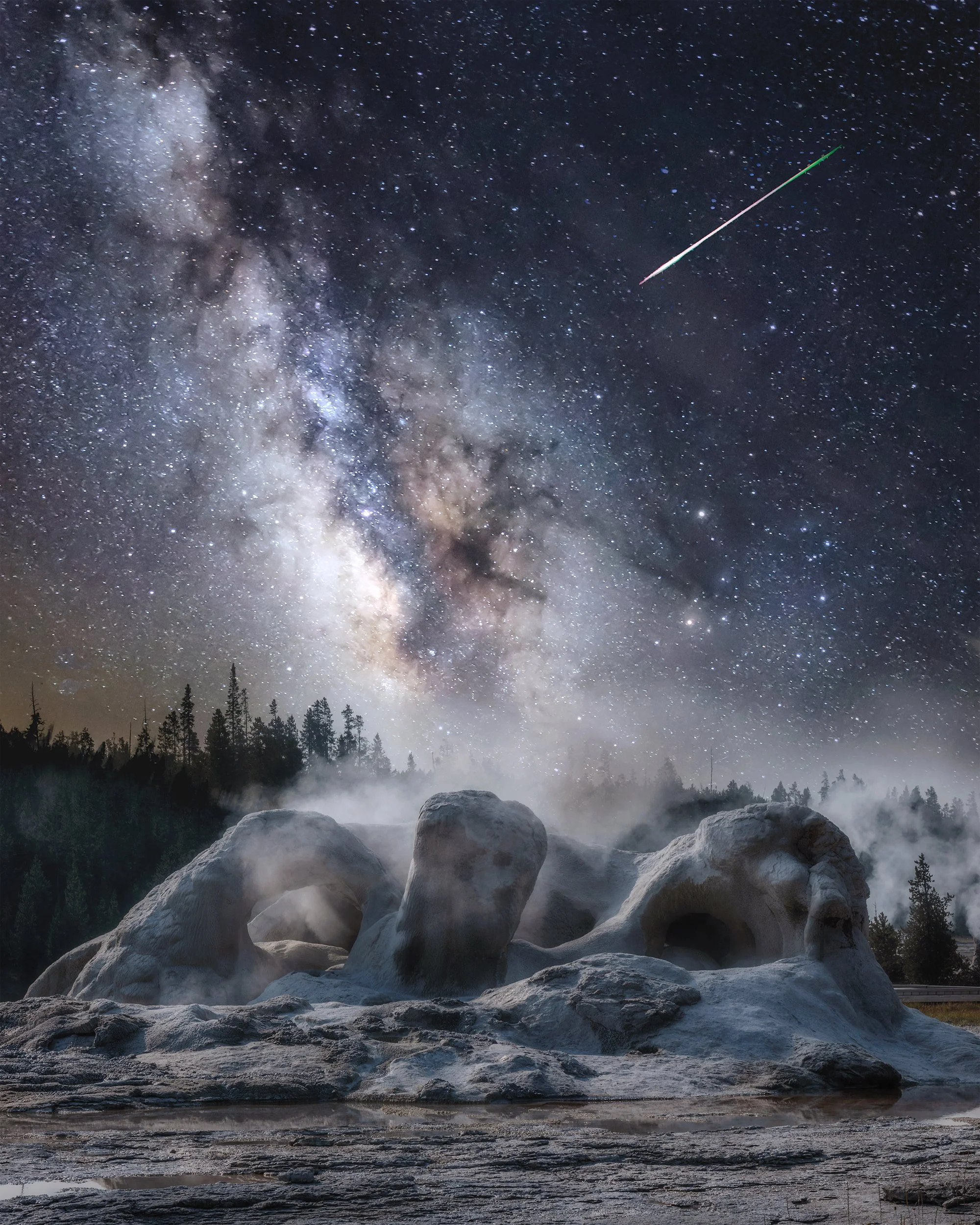
Venture into the heart of America’s most iconic wilderness, where geysers erupt, rivers wind through wildflower meadows, and granite peaks knife sharply into the azure skies. We’ll photograph breathtaking landscapes, encounter wildlife, and chase starry skies that stretch endlessly over the open West. This workshop offers a dynamic blend of grand scenery and intimate moments, perfect for photographers ready to deepen their creative voice in a legendary setting.
Instruction is immersive and hands-on throughout the workshop, with emphasis on composition, Milky Way photography techniques, and more. I work alongside you in the field to develop your photography skills, inspire your creative vision, and guide your post-processing workflow, giving you the confidence to continue to apply what you’ve learned long after the workshop ends.
Following the workshop, you'll be invited to the included post-workshop Photography Lab. There we’ll review your images from the trip, share post-processing techniques, refine your editing workflow, and answer your questions. Join us for an unforgettable adventure.
Discovery Series
Extended Itinerary
Multiple Destinations
Post-Workshop Photography Lab
WHERE WE WILL TRAVEL
Yellowstone National Park
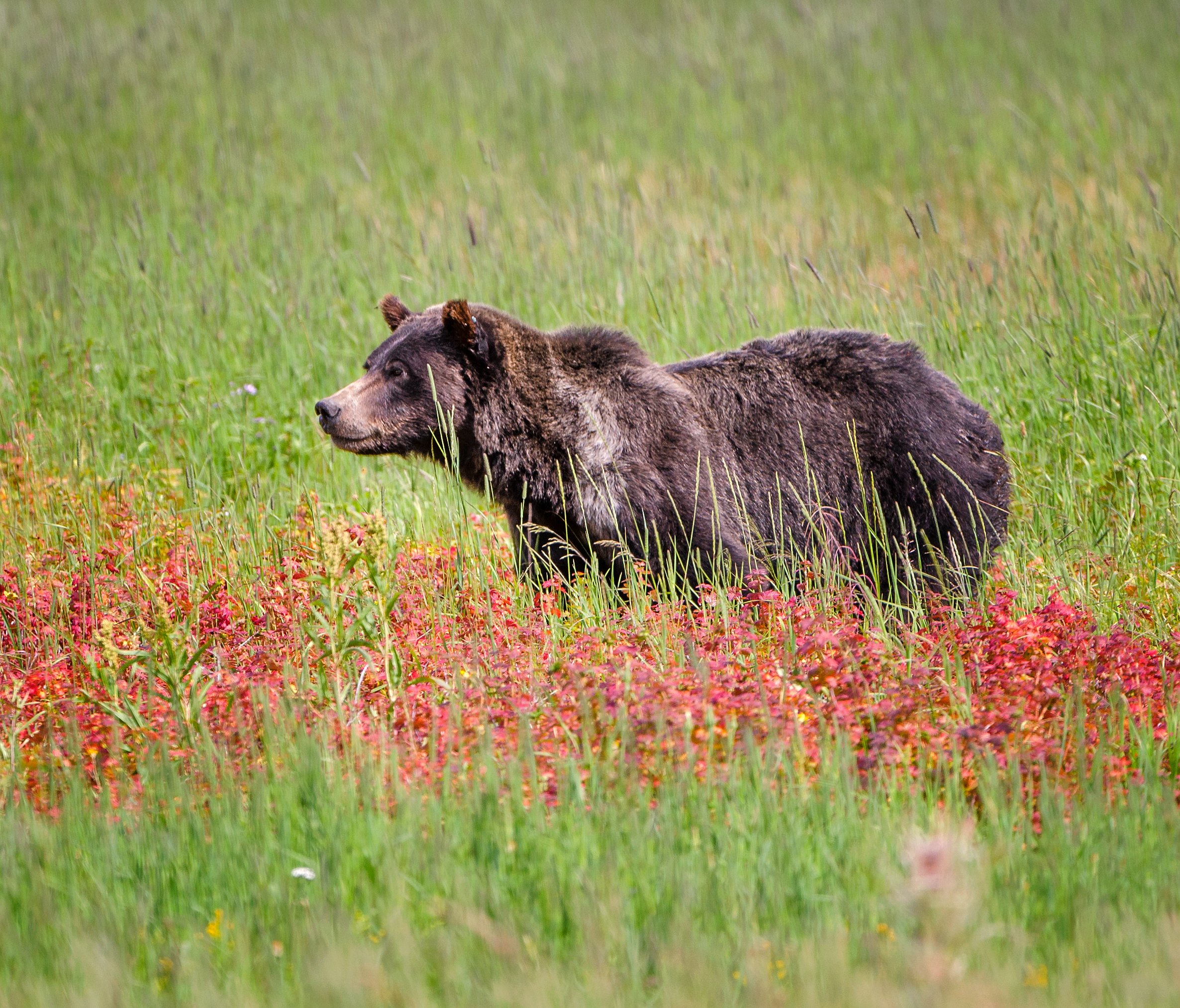
The United States Congress established Yellowstone National Park in 1872, the first preserved area to become a national park. Yellowstone National Park is a roughly 3,500-sq.-mile wilderness recreation area situated atop a supervolcano. The park is located mainly in Wyoming, but also spreads into parts of Montana and Idaho. Yellowstone features dramatic canyons, alpine rivers, lush forests, hot springs and geysers, including its most famous, Old Faithful. Yellowstone is home to hundreds of animal species, including bears, wolves, bison, elk and antelope.
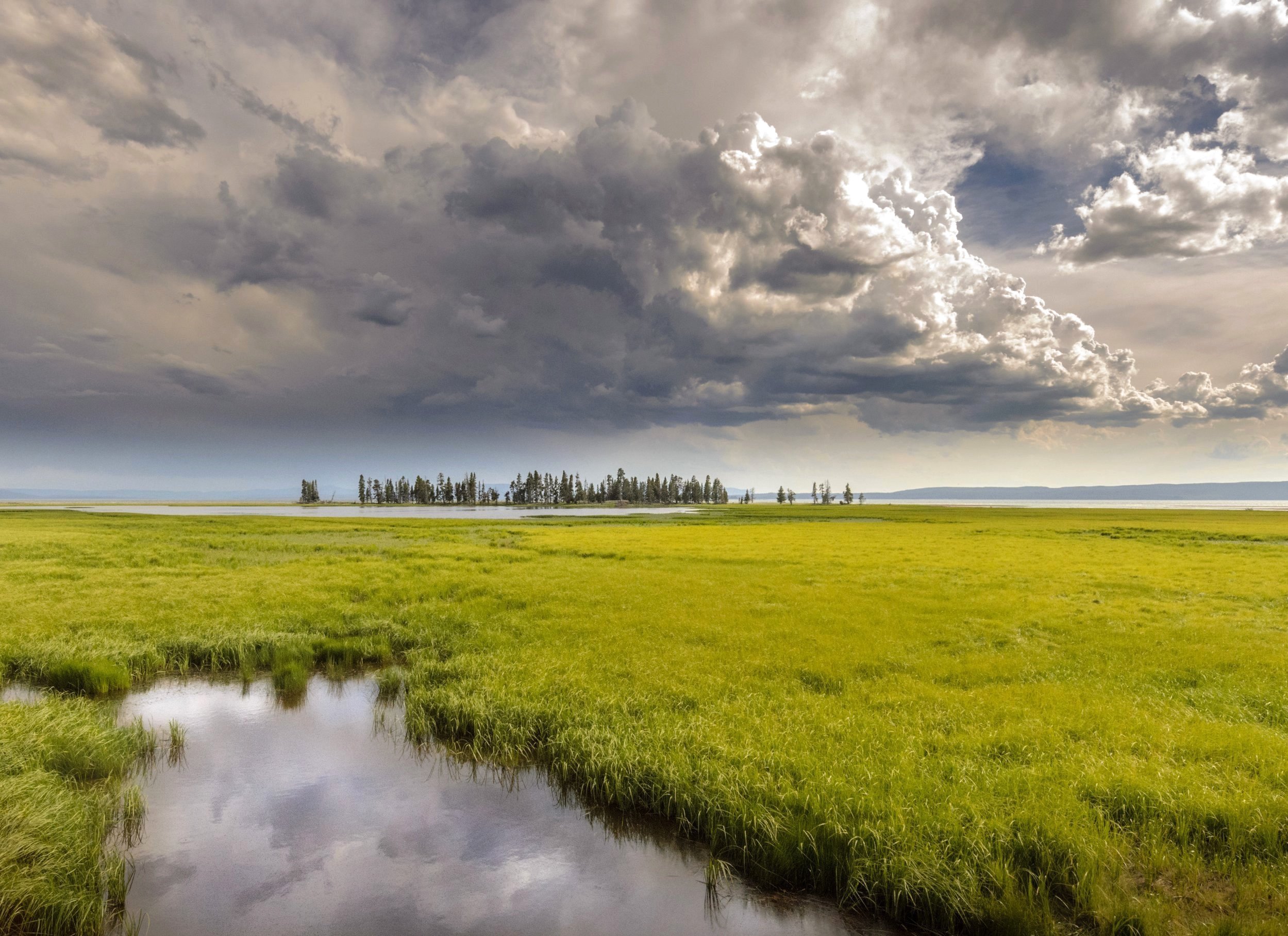

Five things you may not know about Yellowstone National Park
How did Yellowstone get its name? It's named after the Yellowstone River. The river gets its name from the Minnetaree Indians, who called it Mi tse a-da-zi, or Yellow Rock River, most likely from the yellowish formations of the Grand Canyon of the Yellowstone.
Half the world's hydrothermal features are found in Yellowstone: Yellowstone National Park preserves more than 10,000 hydrothermal features — an extraordinary collection of hot springs, mudpots, fumaroles, travertine terraces and—of course —geysers.
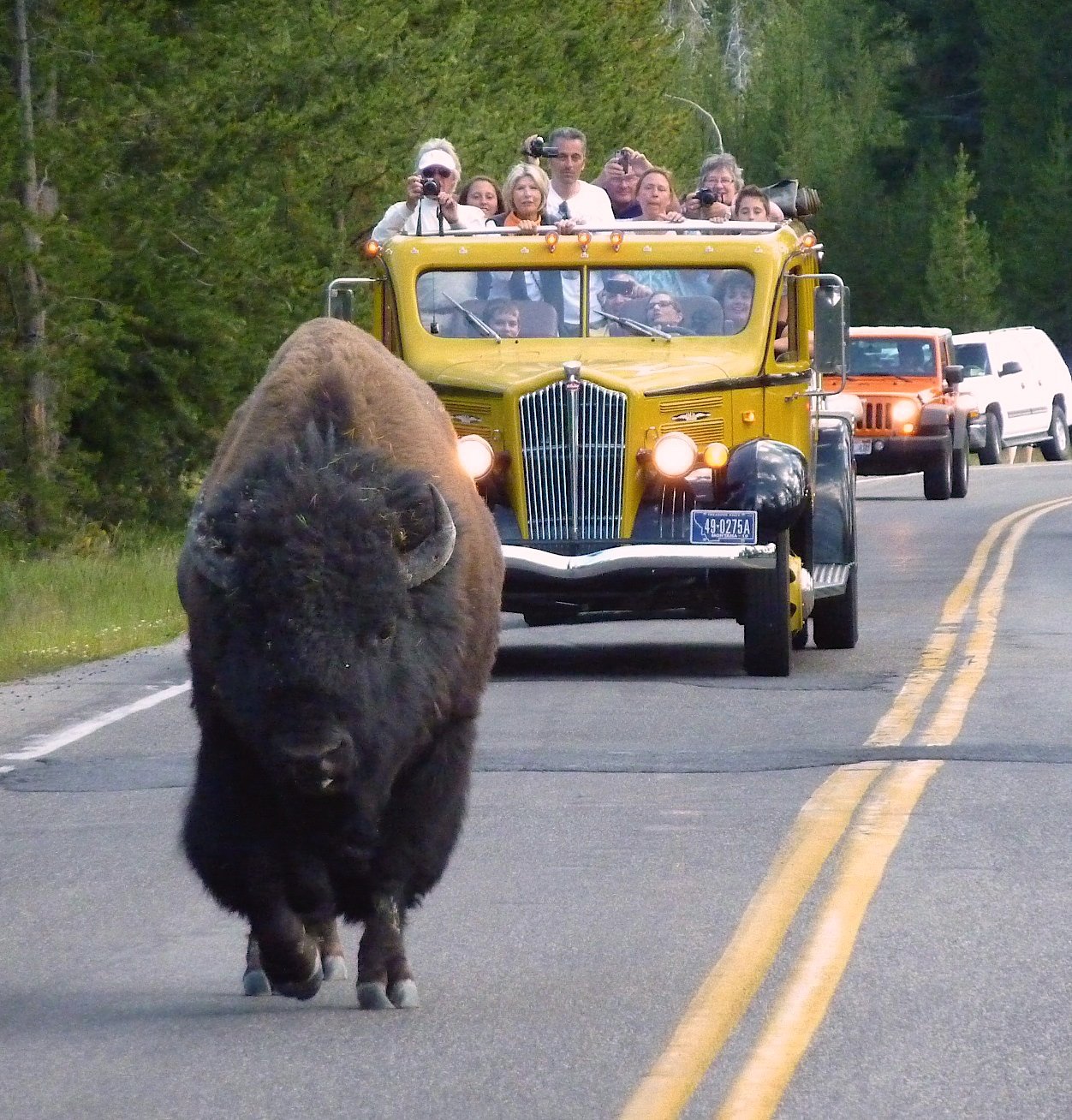
“Sharethe road” takes on a whole new meaning at Yellowstone: Yellowstone is world-renowned for its bison herds. Rush hour here is a little different with bison often causing traffic jams —nicknamed “bison jams.”
Yellowstone is a supervolcano: One of the world’s largest active volcanoes lies beneath Yellowstone. While the volcano is still active, it’s been about 70,000 years since the last lava flow. With the U.S. Geological Survey and University of Utah, the National Park Service established the Yellowstone Volcano Observatory in 2001 to monitor volcanic and seismic activity in the area.
Yellowstone is home to the largest concentration of mammals in the lower 48: Yellowstone’s wildlife is abundant and diverse with an estimated 300 species of birds, 16 types of fish and 67 species of mammals — the largest number of mammal species in the contiguous United States.
WHERE WE WILL TRAVEL
Grand Teton National Park
Grand Teton National Park is located due south of Yellowstone, and was established in 1929, and then again in 1950. In 1929, President Calvin Coolidge approved the original 96,000-acre park, which encompassed the Teton Range and six glacial lakes. In 1943, President Franklin D. Roosevelt established the 210,000-acre Jackson Hole National Monument to protect the remaining federal lands on the valley floor. In 1950, President Harry S. Truman and Congress merged the monument, the national park and a 35,000-acre donation from John D. Rockefeller to create the 310,000-acre Grand Teton National Park we visit today
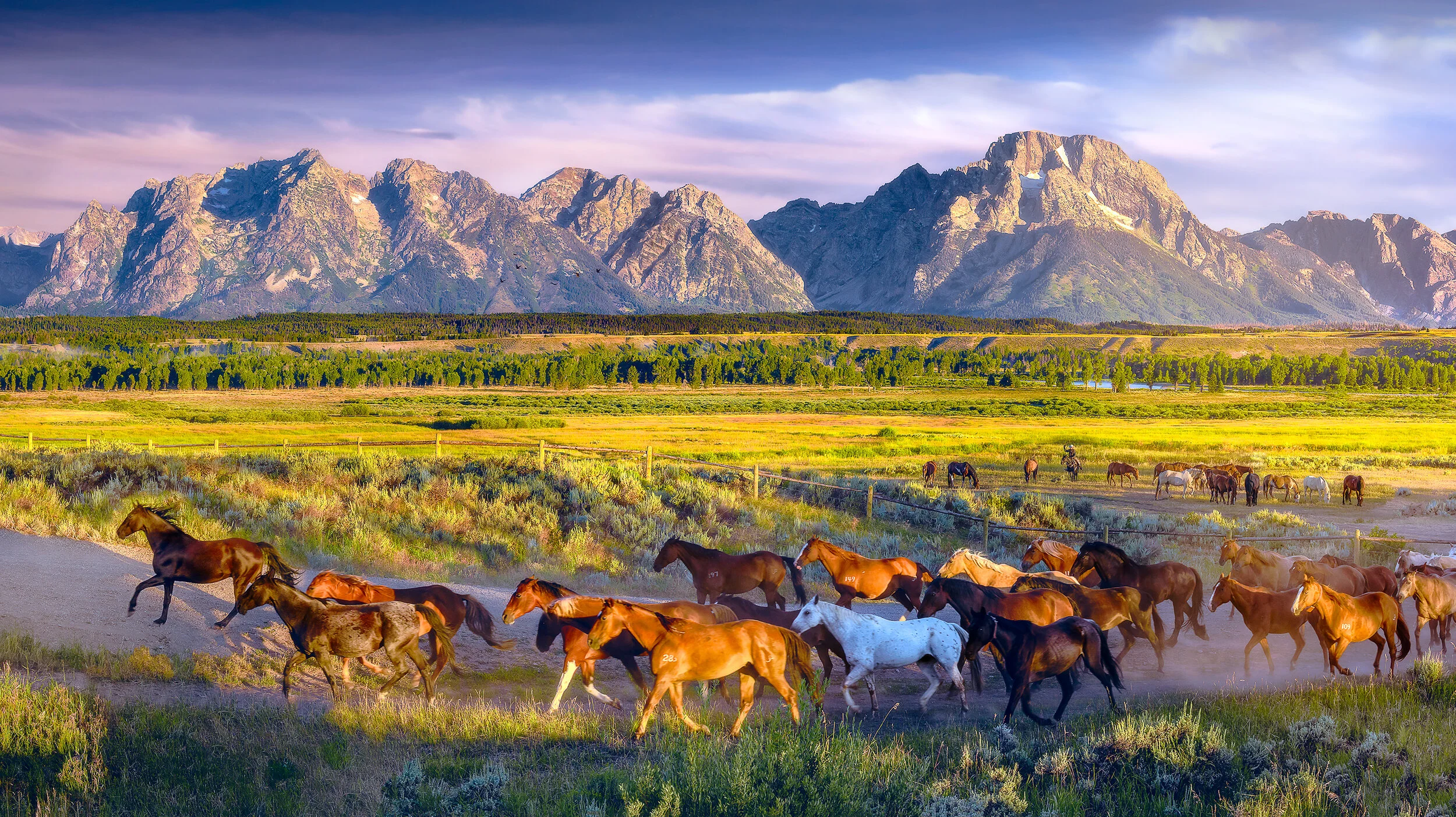
Three things you may not know about Grand Teton National Park
Earthquakes gave rise to the 40-mile-long Teton Range, which sits on a fault line.
Eight peaks towering above 12,000 feet exist within the park. The highest peak, the Grand Teton, rises 13,775 feet above sea level.
A wide variety of birds flock to Grand Teton National Park. Birders can find avian species of all shapes and sizes, from the trumpeter swan (the largest waterfowl in North America) to the calliope hummingbird (the smallest bird species in North America) in the park.


Wyoming, USA

June 27–
July 2, 2027

$2,795

5 Participants
Moderate

Rent a Sedan
Trip Snapshot
Weather, local conditions, and other factors may require changes to the itinerary.
June 27, 2027: Welcome Gathering, Grand Teton Scouting and Sunset at Snake River Overlook
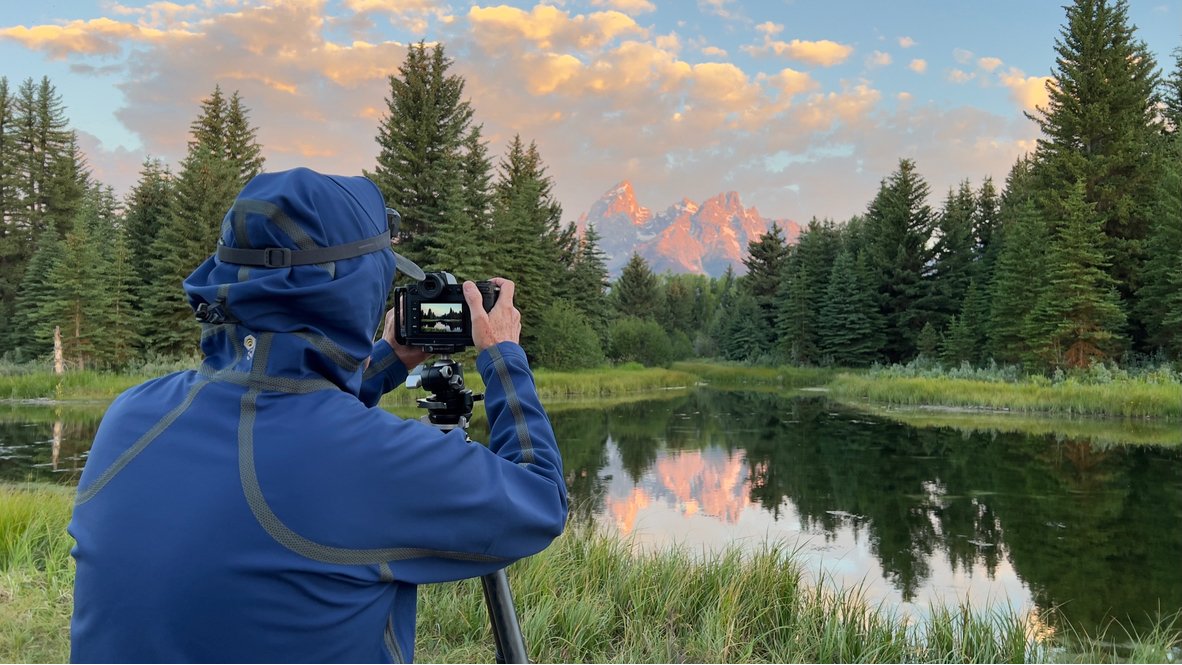
We will meet at 2:00 p.m. at the Ranch House Restaurant in Colter Bay Village for introductions and an overview of the workshop. After checking into the Colter Bay Cabins, we will begin exploring Grand Teton National Park and scout potential sunrise locations at Oxbow Bend and Schwabacher Landing.
Following a break for dinner and personal time, we will photograph the evening light and sunset at Snake River Overlook, one of the park's most iconic views of the Teton Range.
June 28, 2027: Sunrise at Oxbow Bend, Jenny Lake and Mormon Row
We will begin the day with sunrise at Oxbow Bend before continuing to the Jenny Lake area to photograph the changing morning light. We will then return to Colter Bay for breakfast, rest, and personal time.
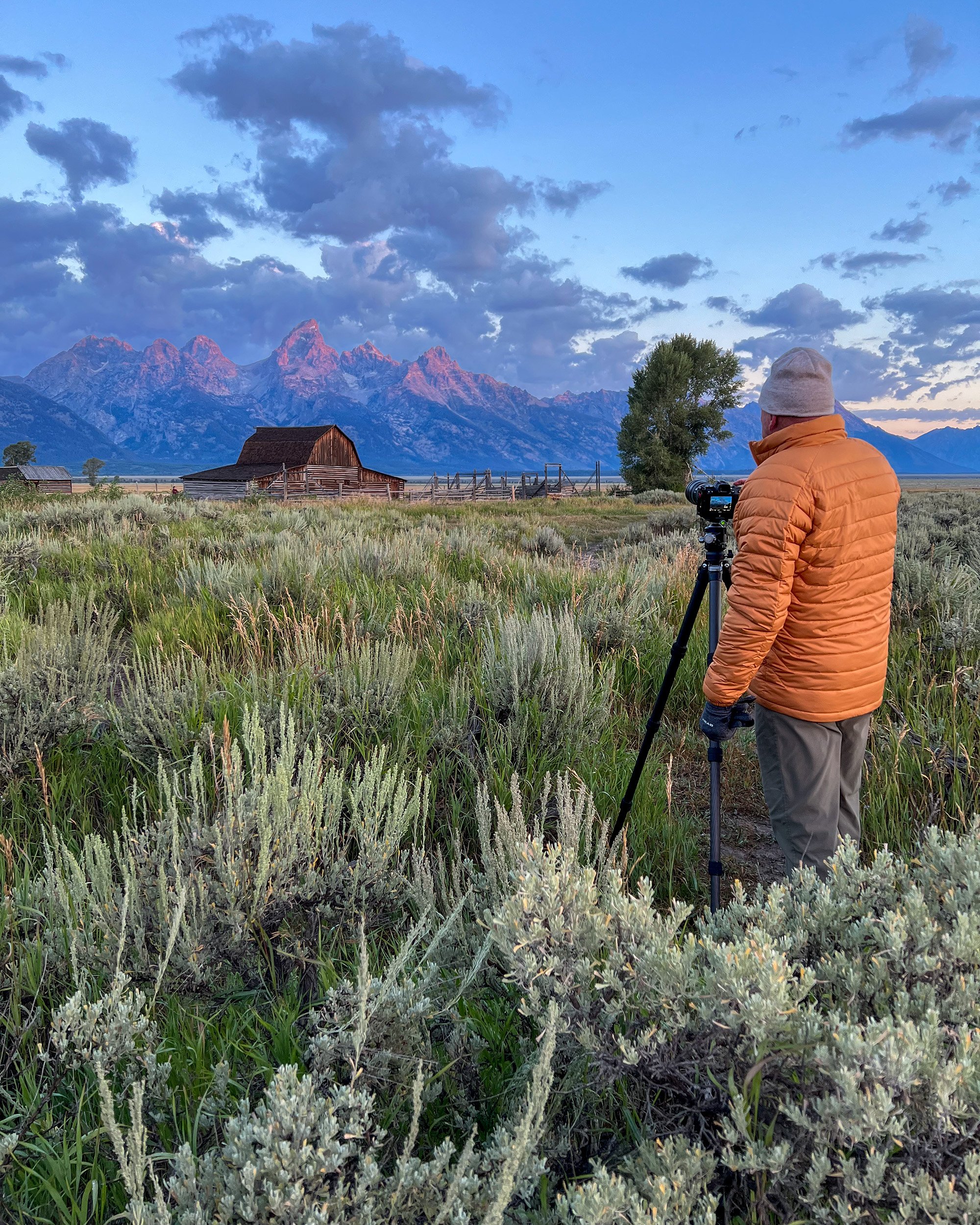
Later, we'll gather for a photography discussion before traveling to Mormon Row. We will photograph the historic barns and surrounding landscape through sunset, blue hour, and the night sky.
June 29, 2027: Mormon Row, Schwabacher Landing and Journey to West Yellowstone
We will return to Mormon Row for sunrise and then continue to Schwabacher Landing to explore additional views of the Tetons and surrounding wetlands.
After returning to Colter Bay, we will check out and begin the drive to West Yellowstone. Along the way, we will stop at the West Thumb Geyser Basin to explore and scout the area before continuing to our accommodations at the Yellowstone Lodge. After checking in and taking time to rest, we will travel to Hayden Valley for an evening of wildlife photography, scenic landscapes, and sunset in Yellowstone's renowned wildlife corridor.
June 30, 2027: Grand Prismatic Spring and West Thumb Under the Night Sky
We will begin at the Grand Prismatic Spring Overlook, reached by a 1.2-mile round-trip hike with modest elevation gain. Bear spray is recommended during this outing. We will photograph the geothermal landscape from the overlook and then explore the nearby boardwalk for additional views of the colorful spring and surrounding features.
After returning to West Yellowstone for a break, we will travel to the West Thumb Geyser Basin for an evening of blue-hour and night-sky photography among Yellowstone's remarkable geothermal features.
July 1, 2027: Yellowstone Road Tour, Mammoth Hot Springs and Lamar Valley
We'll enjoy a more relaxed morning before checking out and beginning our journey to Gardiner, Montana. Our route will take us through Yellowstone on a scenic park tour, with opportunities to stop at selected landscapes and geothermal features along the way.
We will visit Mammoth Hot Springs before checking into the Ascend Hotel in Gardiner. Following time to rest, we will travel to Lamar Valley for wildlife photography, sweeping mountain views, and sunset.
July 2, 2027: Artist Point and Farewell
After checking out of the hotel, we will travel to Artist Point, where morning light illuminates the Grand Canyon of the Yellowstone and its spectacular waterfalls. Depending on conditions, we may continue exploring nearby overlooks and trails as we photograph the canyon and surrounding scenery.
Following the workshop, you'll be invited to the included three-hour post-workshop Photography Lab. There we’ll review your images from the trip, share post-processing techniques, refine your editing workflow, and answer your questions. Join us for an unforgettable adventure.
Accommodation information can be found in the ‘Workshop at a Glance’ section further down this page.


Allow Me to Introduce Myself
It is my privilege to share my knowledge of photography with you—a passion instilled in me by my late father and mentor, Lowell Anson Kenyon, who served as Chief of the Office of Photography for the Smithsonian Institution.
My teaching style is upbeat, enthusiastic, and encouraging. Whether you're seeking hands-on instruction or thoughtful guidance, I strive to create a positive learning environment that nurtures your creativity while building a strong foundation in photographic technique. My goal isn't simply to help you take better photographs—it's to help you see the landscape more intentionally, recognize compelling opportunities, and develop the confidence to create images that reflect your own unique vision.
I hope to share not only my passion for creating compelling photographs, but also the joy of allowing yourself to be captivated by the beauty of the landscape—to slow down, connect with nature, and appreciate the remarkable places we have the privilege to explore.
These workshops are designed for photographers who enjoy adventure and want to maximize their time in the field. Rather than spending valuable daylight hours indoors, I reserve more formal instruction and image review for a post-workshop group Zoom session. By then, you'll be rested, have had time to review your photographs, and can select your favorite images for thoughtful discussion and feedback. The session also includes a post-processing tutorial, where I share techniques specifically suited to the subjects and conditions we photographed during the workshop.
I hope you'll join me, where creating lasting memories is every bit as important as filling your memory cards with unforgettable images.

Join the K-Group for FREE to save on this workshop

We plan to explore breathtaking scenery,
THE BEST of Yellowstone and the Tetons
I can’t wait to share some of my favorite locations!

Testimonials
Matt R.
★★★★★
Arches N.P. Workshop – 2019
I attended Christine’s “Capture the Night” workshop in Arches National Park during the Nightscaper Conference. Christine was great to work with and made sure that everyone walked away with a photo they were happy with. She pushed me to try new techniques and get out of my comfort zone. During the workshop, I generated my first blended foreground using some tips from Christine. The result is my favorite photo from my trip to Arches, and it was nominated as a finalist in an international photo competition! I thoroughly enjoyed shooting and chatting with Christine until the early light of dawn.
Kim H.
★★★★★
Lakes & Dunes – 2020
I did Christine's Capture the Night - Lakes and Dunes photo workshop back in 2020 when we all needed to get out and about. It was wonderful. Not only did Christine show great knowledge of a wide variety of good places for night-time photography, but her instruction really helped improve my photographic skills. I'd highly recommend her workshops!
AFJG
★★★★★
Bisti Badlands – 2024
I joined Christine’s New Mexico workshop in September 2023. As a seasoned photographer, I was drawn to her program because of her excellent reviews, fair pricing, and the exclusive access she had to incredible locations in NM. From the moment we met, she was amazing—we instantly clicked, and the vibe was great. To this day, we still keep in touch, and she recently shared some fantastic hiking location suggestions in her home state of Utah. I have no doubt I’ll be joining her on another adventure in the future. I highly recommend her workshops!
See What Other Workshop Participants
Had to Say About Their Experience
Behind the Scenes
WORKSHOP AT A GLANCE
PHOTOGRAPHY LEVEL: Beginner-Advanced
ACTIVITY LEVEL: Moderate activity with treks under two miles
TERRAIN: Gradual slopes, uneven and rocky terrain
ALTITUDE: 6,500–8,000’
CLIMATE: Avg. Daytime temps: 70-77˚–– Avg. Nightime temps: 39-43˚
NEAREST TOWN(S): Jackson, WY, West Yellowstone, MT
AIRPORT(S): Jackson Hole, West Yellowstone
TRANSPORTATION: All locations are accessible in passenger cars, with average or higher ground clearance
ACCOMMODATIONS: Our group will stay at Colter Bay Cabins 6/27–29; Yellowstone NP: Yellowstone Lodge in West Yellowstone 6/29–7/1, Ridgeline Hotel, Gardiner, MT 7/1–2. Reservation details will be provided after registration.
Astronomical Snapshot (Approximate)
MORNING
Blue Hour: 5:08 a.m. - 5:23 a.m.
Golden Hour: 5:23 a.m. - 6:28 a.m.
Sunrise: 5:44 a.m.
EVENING
Golden Hour: 8:24 p.m. - 9:30 p.m.
Sunset: 9:10 p.m.
Blue Hour: 9:30 p.m. - 9:44 p.m.
Milky Way: 11:30 p.m. - 3:23 a.m.
What’s Included?
Professional photographic guiding and instruction.
Detailed itinerary is emailed to you approximately 45 days before your trip. Includes “Capture the Night” my guide to nightsky photography (PDF).
Pre-trip Zoom orientation scheduled approximately 30 days prior to the workshop start date.
Post-workshop virtual image review and post-processing session for the group, scheduled two-three weeks following the trip.
What’s Not Included?
The cost of lodging is not included in the workshop fee. Reservations and/or lodging arrangements have been made for your single-occupancy rooms during the trip. Upon registration, you will receive complete lodging information to secure your rooms.
No ground transportation, or transportation to or from the workshop.
No food/beverages will be provided
There may be little or no cellphone coverage at the workshop locations
Any meals or accommodations before or after the workshop dates.
Medical Evacuation Insurance
Travel Medical and Trip Cancellation Insurance (optional, but recommended).
What to Bring?
Please reference my: Prepping for Your Workshop
Is Anything Required?
You are responsible for knowing your way around your camera and its menu system. My time with each of you will be spent learning to capture great images. Please do not burden others, and get less out of this event yourself – know and practice your camera, especially if you will be using any new gear on this trip. I truly desire for you to get the most out of your workshop.
Ability to shoot in a variety of weather and environmental conditions from bright sun to summer storms and at elevations ranging from near sea level to over 10,000 feet in elevation, depending on the workshop.
The ability to hike one to three miles per day over uneven, hilly terrain.
Realistically assess your overall physical conditioning
The ability to remain flexible to make the most out of the often changing environmental conditions.
The ability to work well with others in a group setting.
Our group must stay together. Please do not wander off without telling me of your whereabouts. We will be in areas with potential hazards that include exposed cliffs, unstable terrain, and wildlife.
You are responsible for knowing and following all park or jurisdictional rules. Leave No Trace. Let’s leave it better than it was! Thank you!
Payment Terms
Your deposit of $1,395 will reserve your spot.
The remaining balance is due 120 days prior to the workshop.
All standard Terms and Conditions apply.