



Death Valley & Beyond 2027
Milky Way & Landscape
Photography Workshop
March 7-12 (Sunday-Friday)
Incredible Natural Diversity Throughout this Breathtaking
Death Valley N.P. & Alabama Hills Adventure
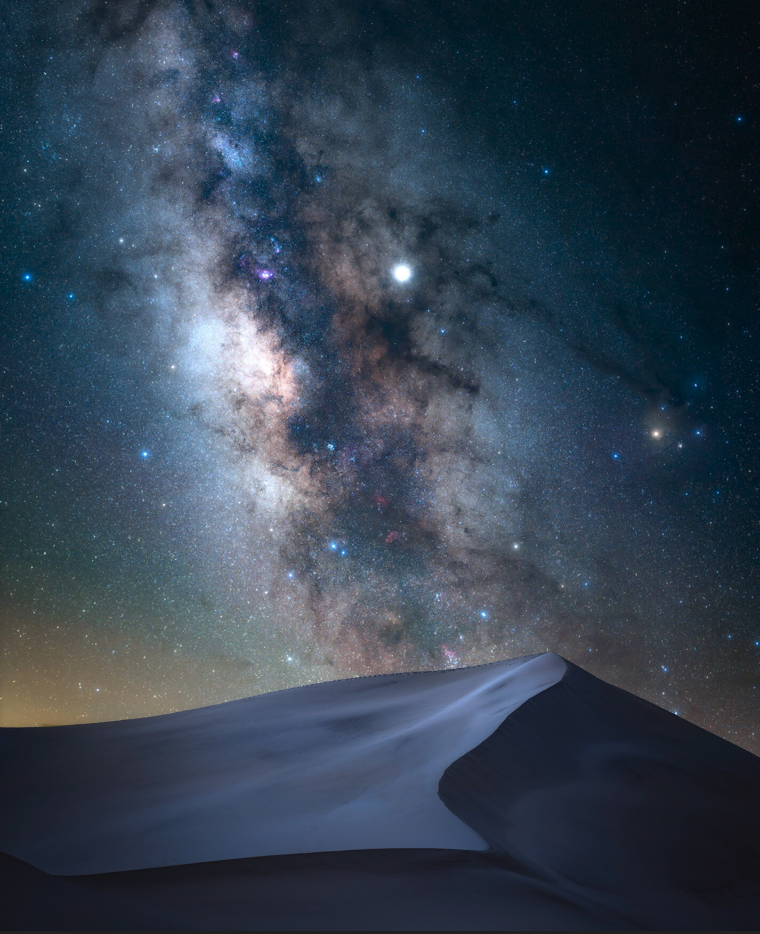
Prepare to dive into the raw beauty of Death Valley and Alabama Hills. From towering dunes to rugged rock formations, this adventure promises star-filled nights and breathtaking landscapes, so get ready for an epic journey that blends the craft of photography, exploration, and unforgettable memories.
Our small group of five will journey through some truly eye-popping locations in Death Valley and the Alabama Hills. This six-day odyssey begins amidst the vast, sea level landscapes of Death Valley National Park and winds up in the sculpted rock formations of the Alabama Hills at the foot of the Eastern Sierra Nevada. Embark on this incredible workshop to capture the Milky Way against dramatic desert backdrops and stunning rock formations.
Instruction is immersive and hands-on throughout the workshop, with emphasis on composition, Milky Way photography techniques, and more. I work alongside you in the field to develop your photography skills, inspire your creative vision, and guide your post-processing workflow, giving you the confidence to continue to apply what you’ve learned long after the workshop ends. Join us for an unforgettable adventure.
Following the workshop, you'll be invited to the included post-workshop Photography Lab. There we’ll review your images from the trip, share post-processing techniques, refine your editing workflow, and answer your questions. Join us for an unforgettable adventure.
Discovery Series
Extended Itinerary
Multiple Destinations
Post-Workshop Photography Lab
WHERE WE WILL TRAVEL
Death Valley National Park
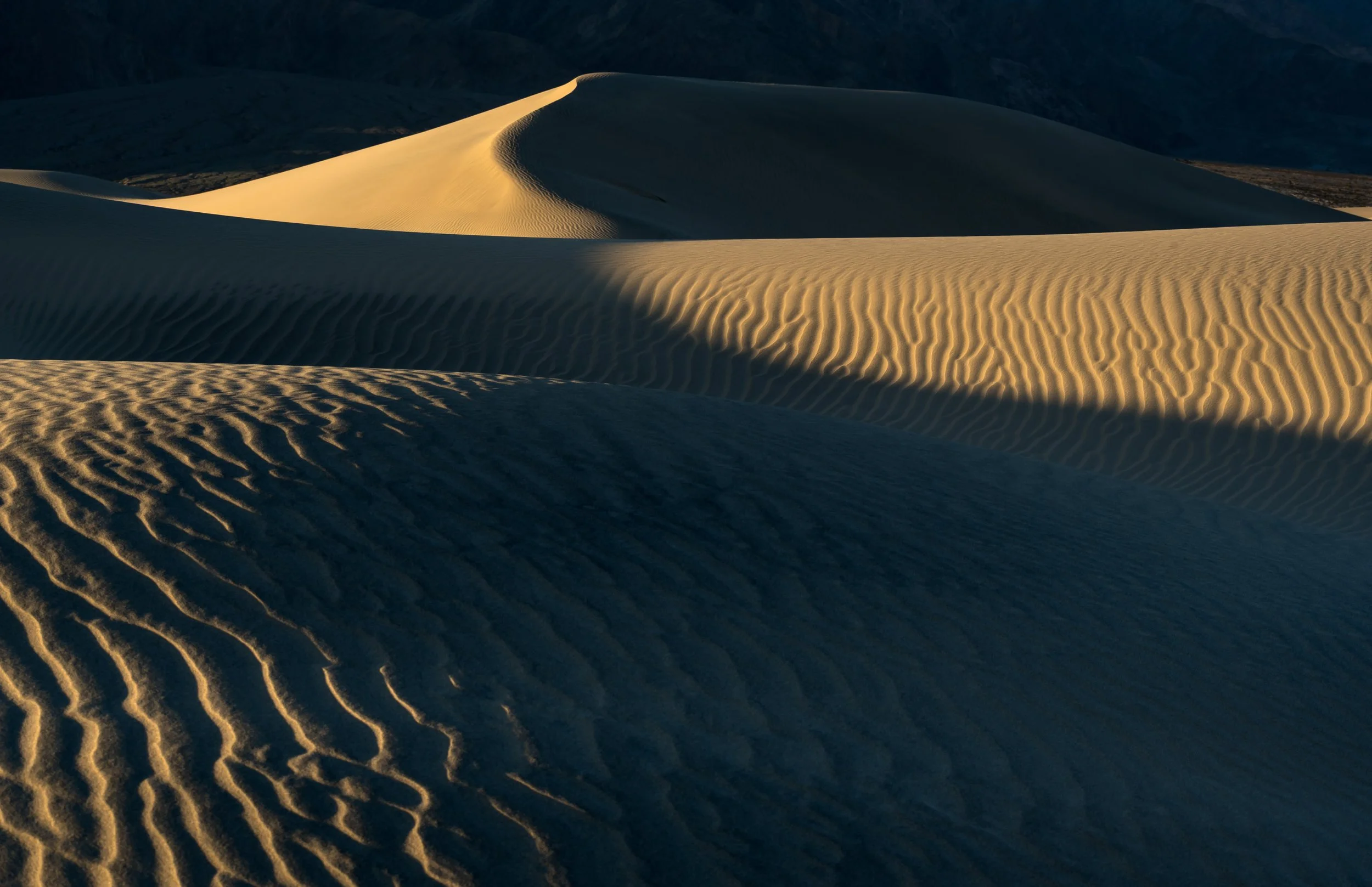
Death Valley National Park is known for its resonating beauty despite its harsh and unforgiving environment. The park straddles the California–Nevada border, east of the Sierra Nevada, and occupies an interface zone between the arid Great Basin and Mojave deserts, protecting the northwest corner of the Mojave Desert and its diverse environment of salt-flats, sand dunes, badlands, valleys, canyons and mountains. Death Valley is the largest national park in the contiguous United States, as well as the hottest, driest and lowest of all the national parks in the United States. The park is home to many species of plants and animals that have adapted to this harsh desert environment including creosote bush, Joshua tree, bighorn sheep, and coyote. Its sand dunes, cracked mud, salt flats, and myriad other natural attractions make this a photographer’s paradise. We will visit the park for three full days, featuring nightscape photography (weather permitting.) The historic Amargosa Opera House will make for our base of operations during the three nights of this first leg of our trip, and I am confident that you will agree, this place is a destination unto itself.
Five Things You may not Know About Death Valley National Park
At more than 3.4 million acres, Death Valley National Park is the largest national park in the Lower 48
The highest recorded temperature in the world was recorded in Death Valley’s Furnace Creek at 134 Fahrenheit in July 1913
Death Valley is the driest place in the country, and in 1929, there was not a single drop of rain recorded in Death Valley
Death Valley is home to the country’s lowest point, Badwater Basin, which lies at 282 feet below sea level
Death Valley is only 76 miles from the highest point in the country, Mt. Whitney, which tops out at an elevation of 14,505 feet. In other words, the lowest and highest points in the contiguous U.S. are less than 100 miles apart!
Life abounds in Death Valley! The Park is home to more than 1000 species of plants (including 50 that are found nowhere else in the world), 300 species of birds, 51 species of mammals (including bighorn sheep and mountain lions), 36 species of reptiles and even amphibian and fish species




WHERE WE WILL TRAVEL
Alabama Hills
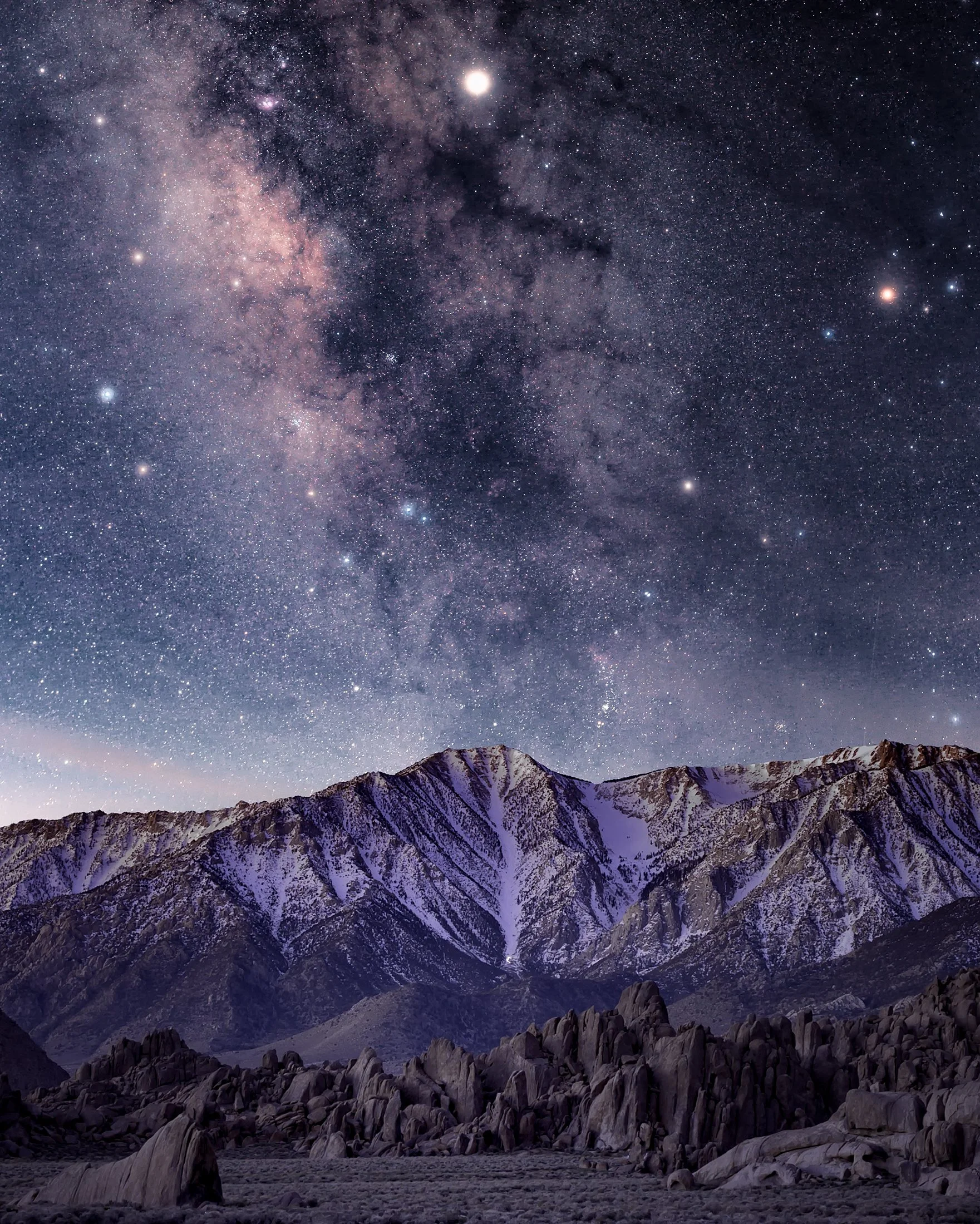
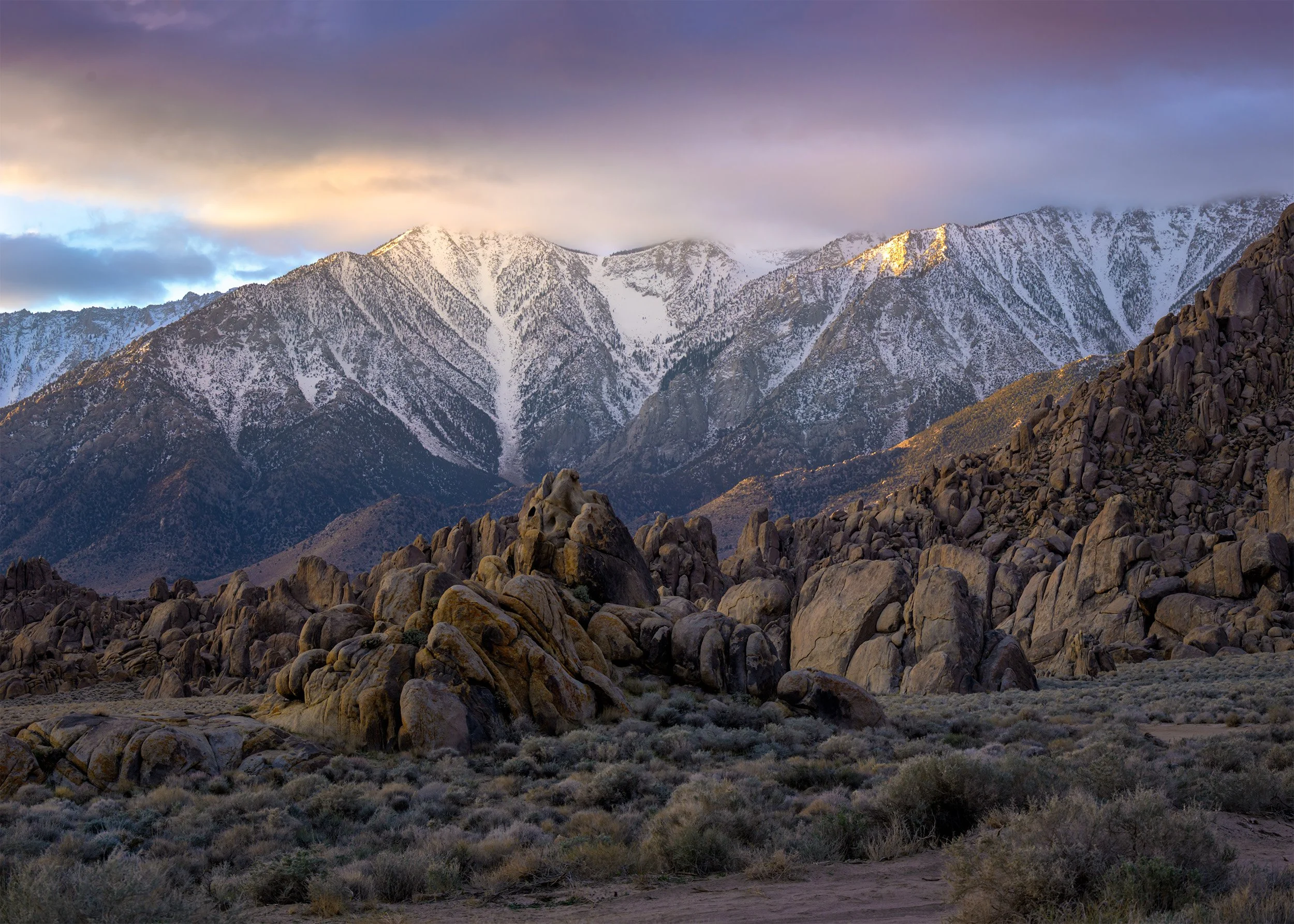
The Alabama Hills is located north-west, and just under two hours from Death Valley. The Alabama Hills are a range of hills and rock formations near the eastern slope of the Sierra Nevada in the Owens Valley, west of Lone Pine in Inyo County, California. Though geographically separate from the Sierra Nevada, they are part of the same geological formation. The smooth stone formations and arches of the hills against the stunning backdrop of Mount Whitney shrouded in snow, will make exploration and composition finding exhilirating at this time of year. The Alabama Hills were named for the CSS Alabama, a Confederate warship deployed during the American Civil War. When news of the ship's exploits reached prospectors in California sympathetic to the Confederates, they named many mining claims after the ship, and the name came to be applied to the entire range.


California, USA

March 7-12, 2027

$2,795

5 Participants
Strenuous

Rent an AWD
Trip Snapshot
Weather, local conditions, and other factors may require changes to the itinerary.
March 7, 2027: Meet & Greet at The Ranch, Sunset Photography
We’ll meet at 3:00 p.m. at The Ranch at Death Valley in Furnace Creek for introductions and a workshop overview. After the meet-and-greet, you’ll have time to check into your room and prepare for our first outing. We’ll then head out to explore and photograph sunset in one of Death Valley’s classic locations.
March 8, 2027: Sunrise at Bad Water Basin, Photographic Techniques, Sunset and Milky Way
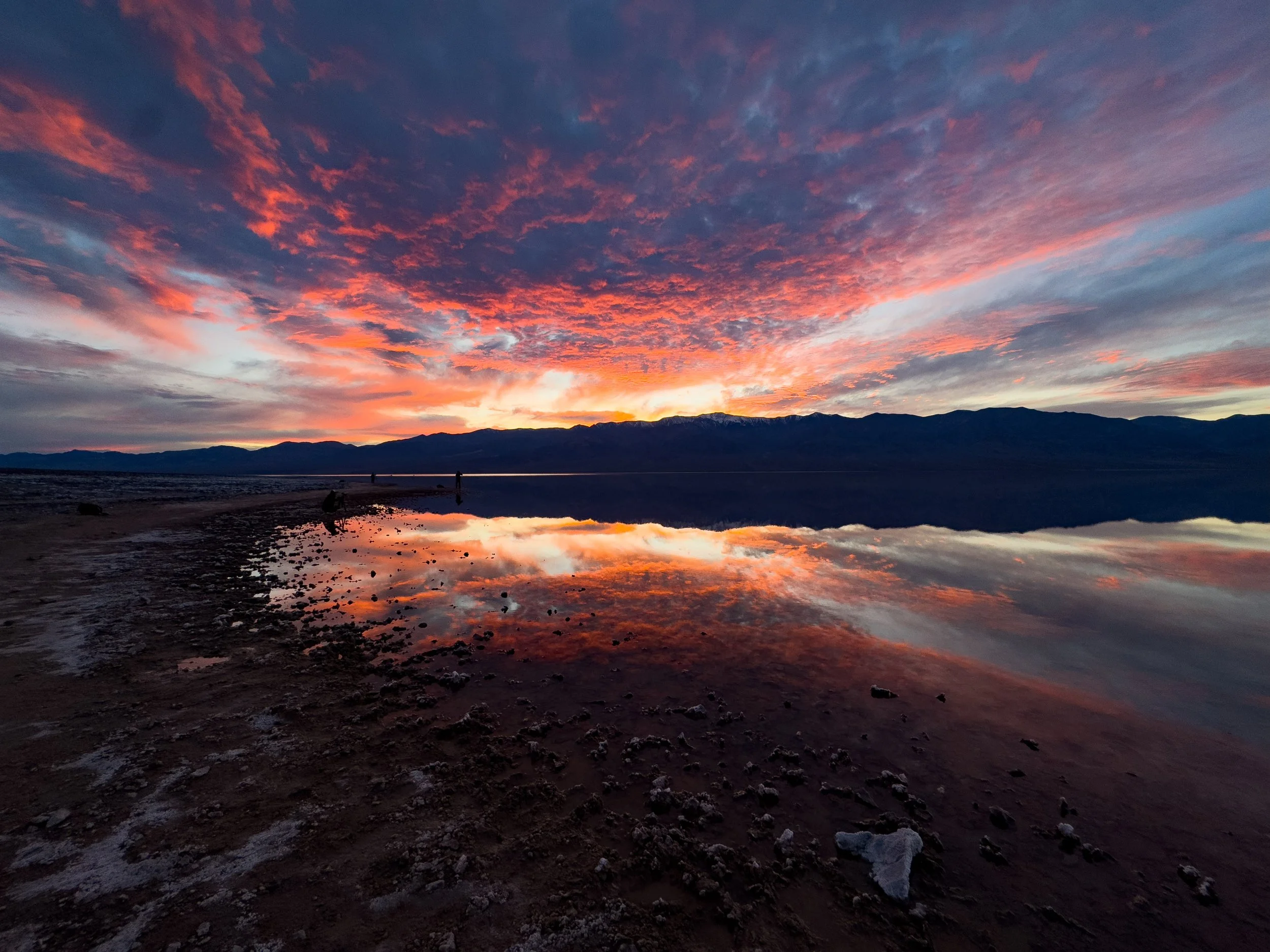
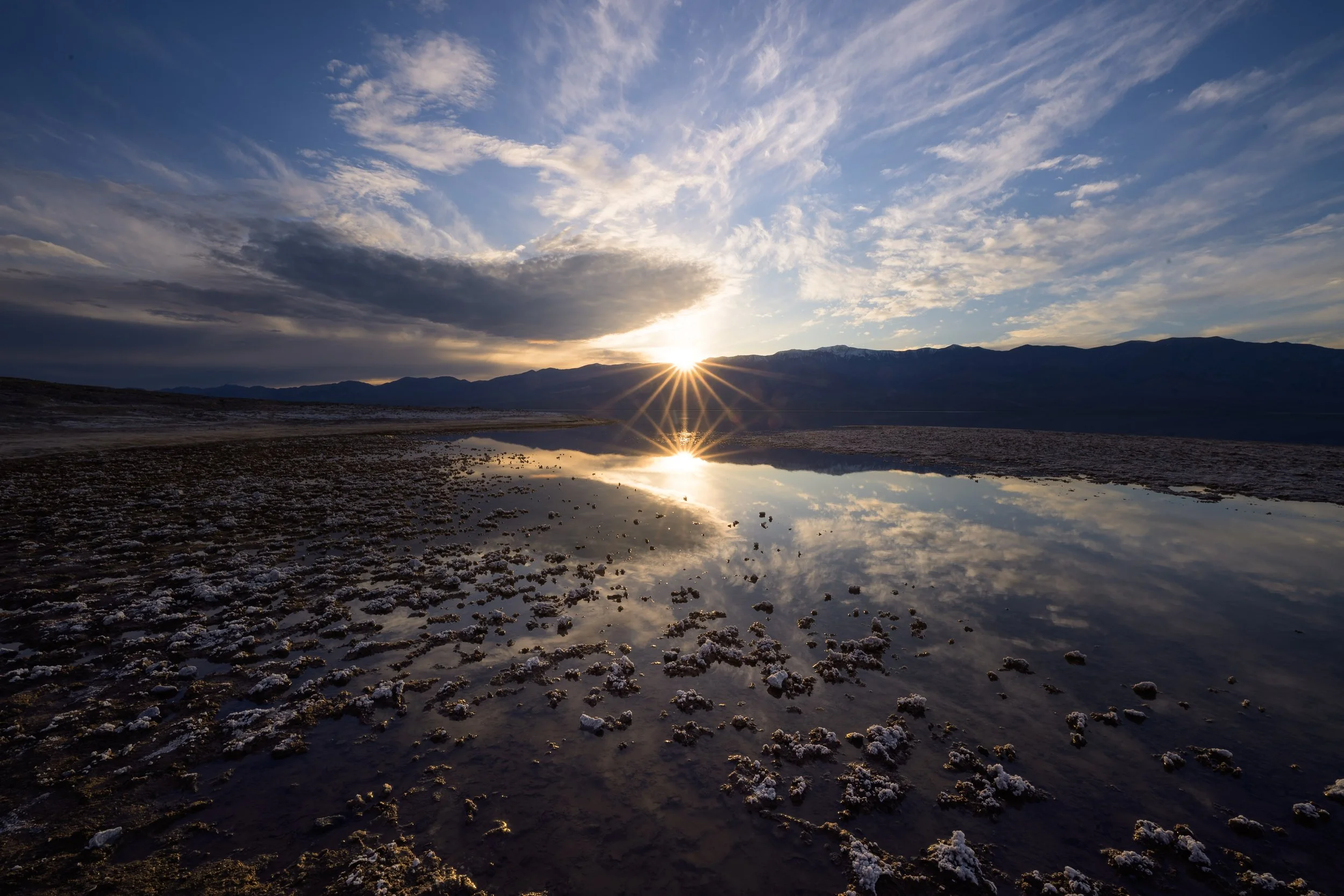
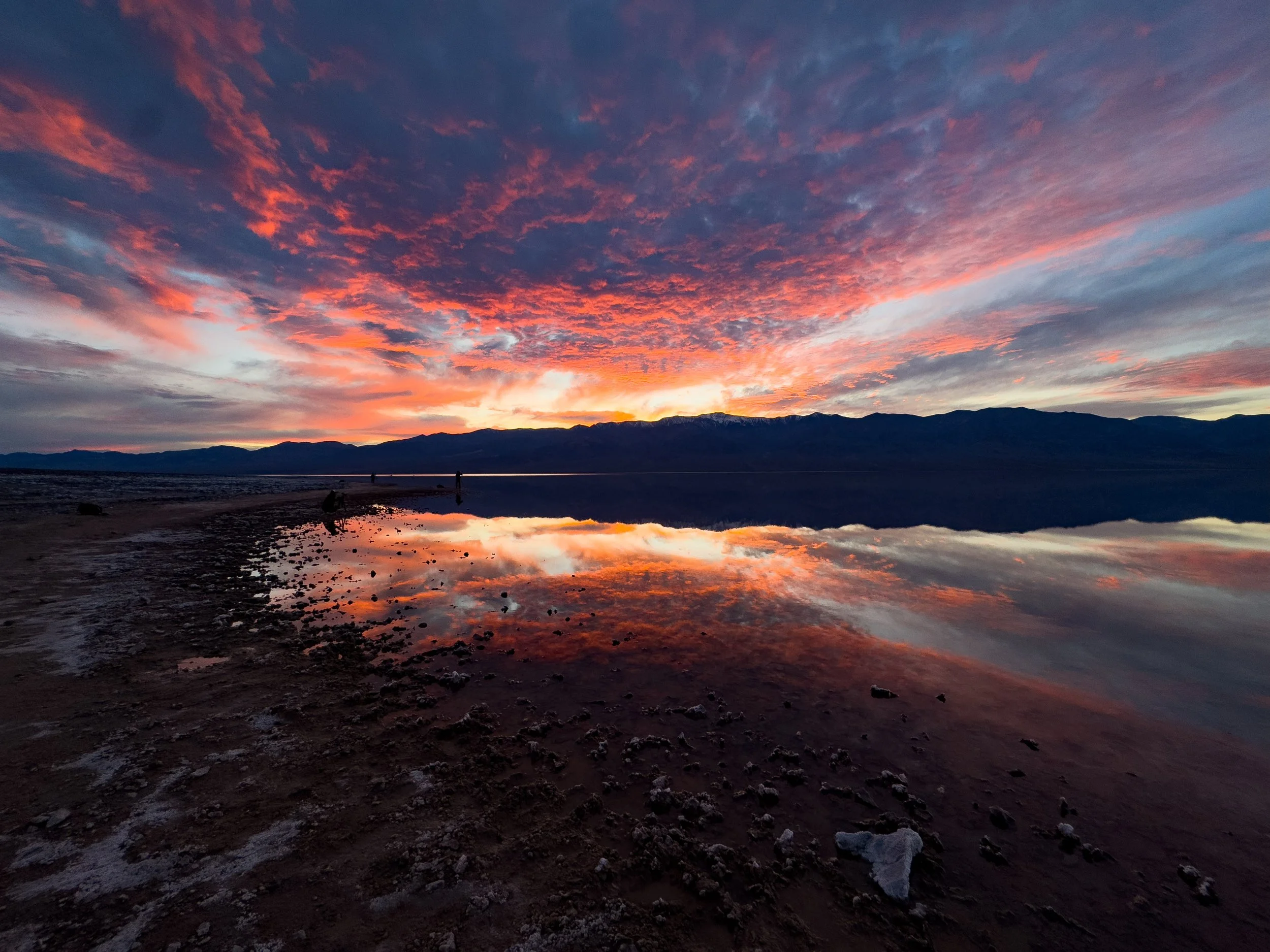
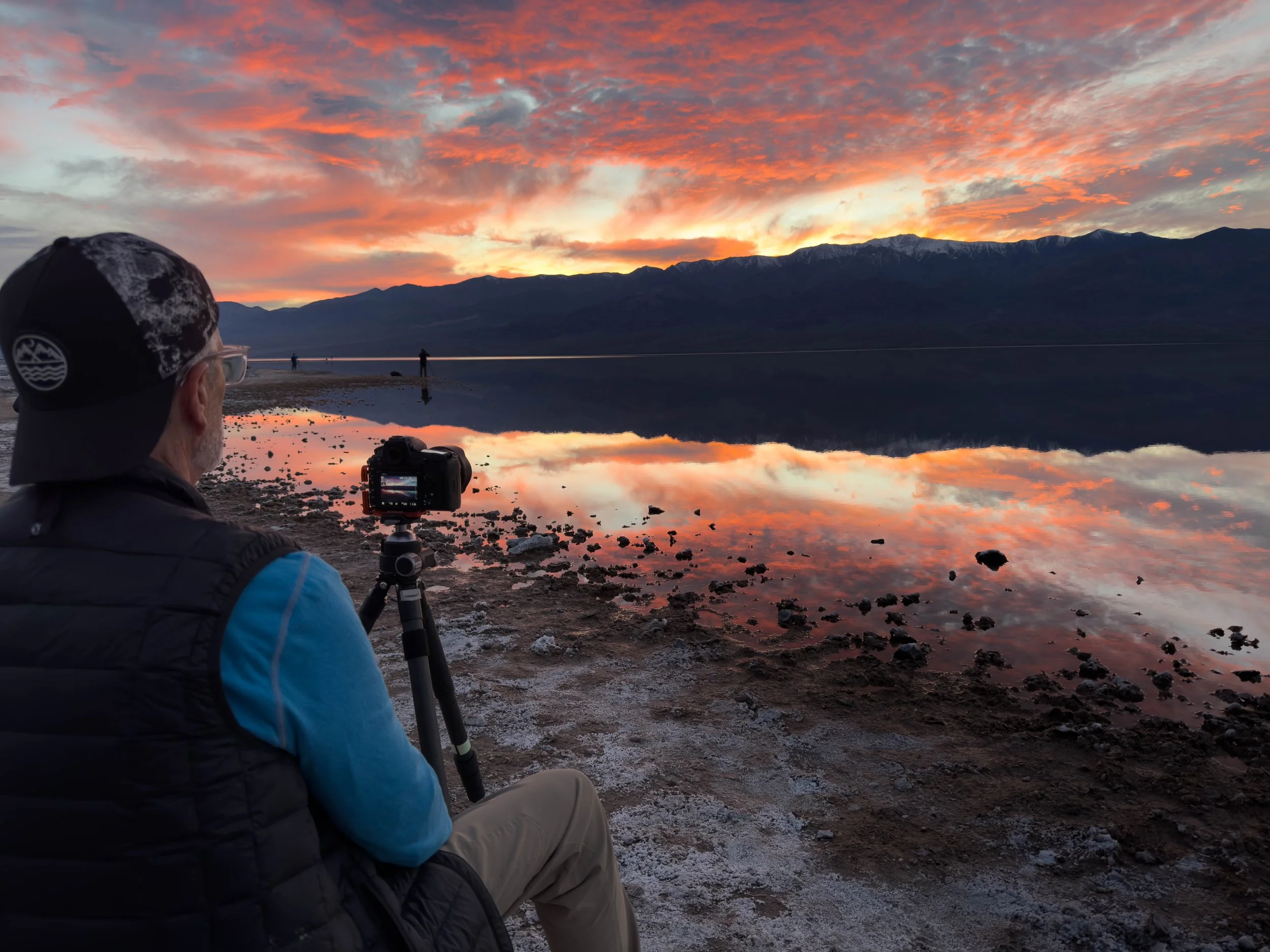
We rise early and head to Badwater Basin for sunrise, photographing the unique salt patterns and textures that make this remarkable landscape so iconic. In years of exceptional rainfall, the basin may temporarily fill with water, creating Lake Manly and offering spectacular reflections at sunrise.
After breakfast, we'll gather for an interactive photography techniques session featuring image review, composition, camera settings, and post-processing before enjoying some time to relax and recharge before our sunset outing. We'll then return to the hotel for a few hours of rest before rising in the night to photograph the Milky Way as it ascends across the desert sky.
March 9, 2027: Recovery, Sunset and Milky Way Photography in the Heart of the Badlands
We catch up on sleep, and after lunch we'll gather once again for a post-processing session, where you'll have the opportunity to refine your images and build on the techniques discussed the previous day. Later in the day we will leave for the Alabama Hills once more for star trails photography that begins just after dark.
March 10, 2027: Sunrise at Mesquite Flat Dunes, Travel to Lone Pine, Milky Way in the Alabama Hills
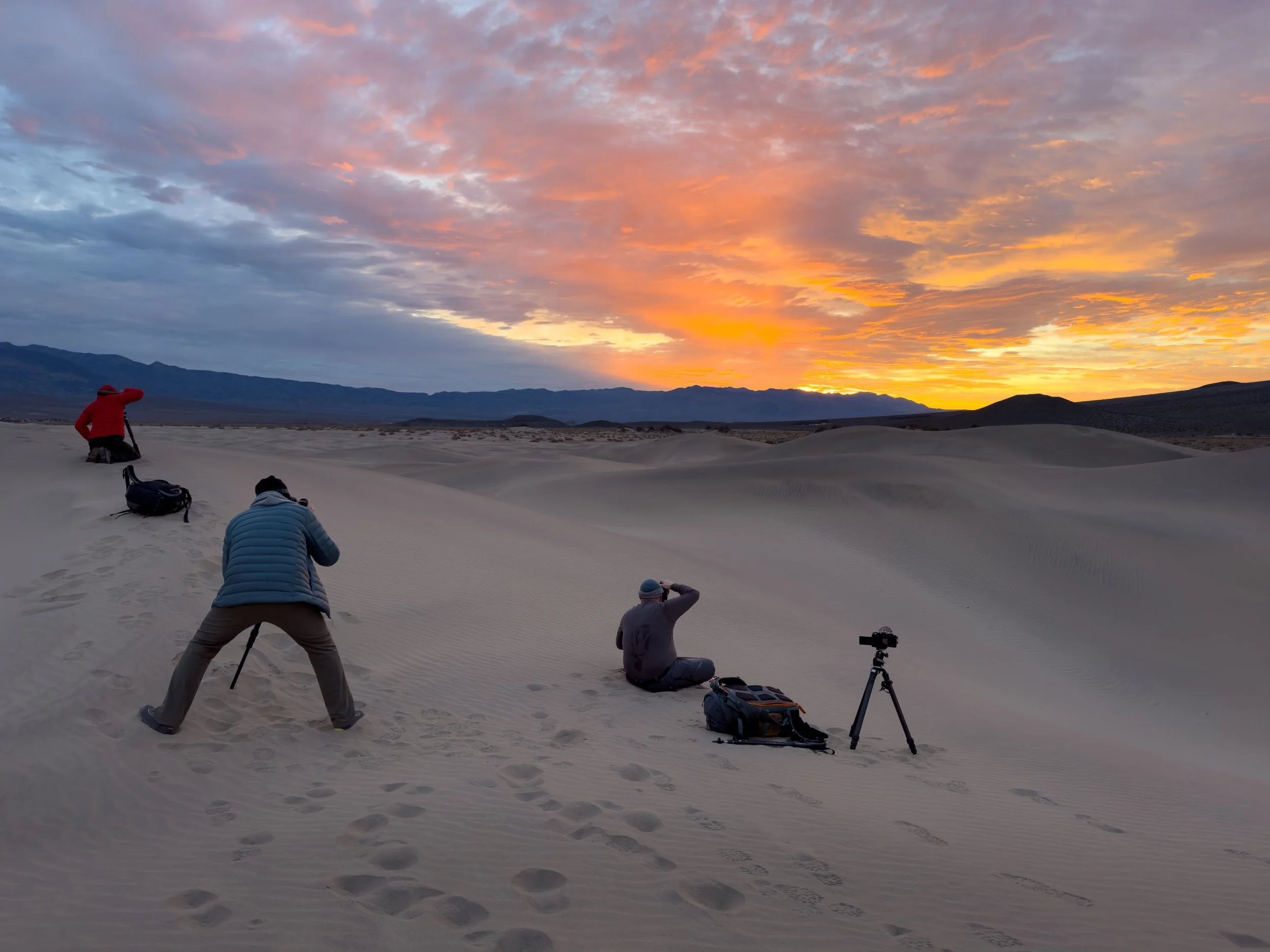
We arrive at the Mesquite Flat Sand Dunes before dawn to photograph the first light of morning. We’ll continue shooting while the light remains favorable, then return to The Ranch to pack up, check out, and begin our journey north to Lone Pine.
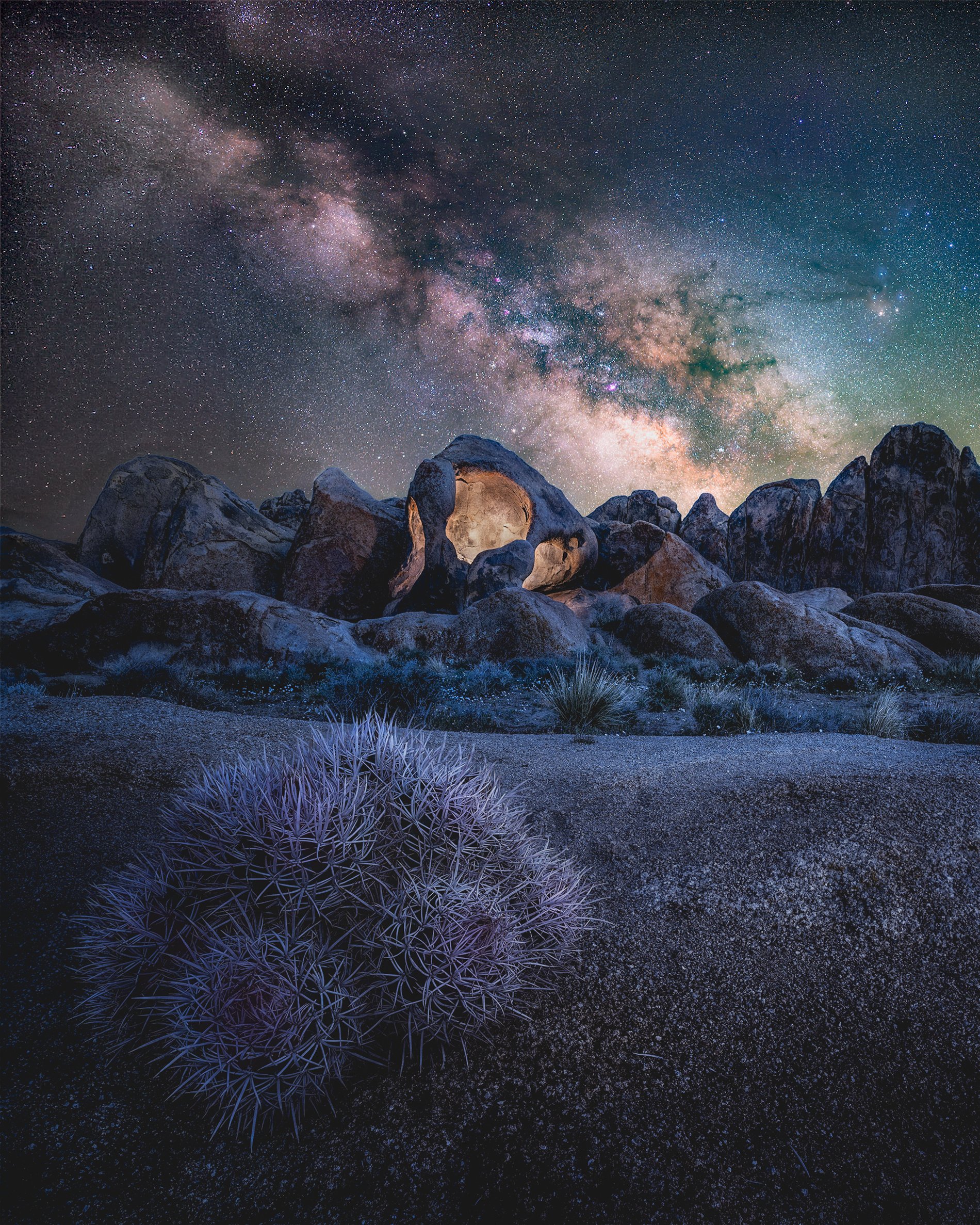
We’ll enjoy lunch, then check into our hotel where we will relax and recharge for the remainder of the day, before departing later in the night to photograph the Milky Way above the whimsical granite formations of the Alabama Hills.
March 11, 2027: Post-Processing, Sunset and Star Trails in the Heart of the Alabama Hills
For our last full day, we’ll first catch up on sleep, and after lunch gather once again for a post-processing session, where you'll have the opportunity to refine your images and build on the techniques discussed the previous day. Later in the day we will leave for the Alabama Hills once more for sunset and an evening of star trails photography that begins just after dark. We'll return to the hotel by approximately 9:00 PM, allowing everyone to enjoy a full night's rest before our final sunrise in the Alabama Hills.
March 12, 2027: Morning at Mobius, Farewell Breakfast
Our final outing takes us to Mobius Arch at daybreak, framing Mount Whitney and the majestic Sierra Nevada through one of the Alabama Hill’s most iconic natural arches. We'll conclude the workshop over breakfast in Lone Pine before saying our goodbyes.
Following the workshop, you'll be invited to the included three-hour post-workshop Photography Lab. There we’ll review images from the trip, share post-processing techniques, refine your editing workflow, and answer your questions.
Detailed accommodation information can be found in the ‘Workshop at a Glance’ section further down this page.


Allow Me to Introduce Myself
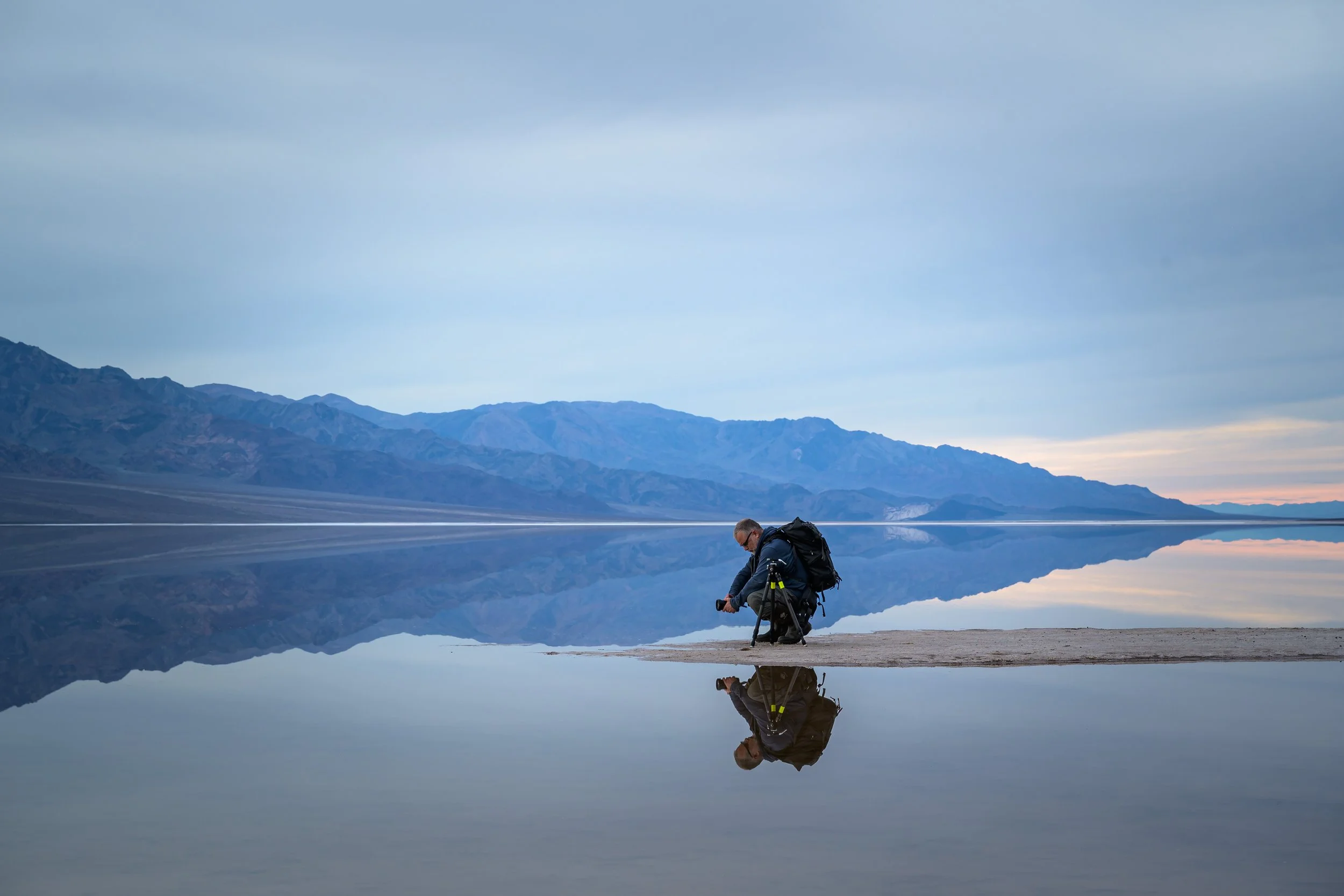
It is my privilege to share my knowledge of photography with you—a passion instilled in me by my late father and mentor, Lowell Anson Kenyon, who served as Chief of the Office of Photography for the Smithsonian Institution.
My teaching style is upbeat, enthusiastic, and encouraging. Whether you're seeking hands-on instruction or thoughtful guidance, I strive to create a positive learning environment that nurtures your creativity while building a strong foundation in photographic technique. My goal isn't simply to help you take better photographs—it's to help you see the landscape more intentionally, recognize compelling opportunities, and develop the confidence to create images that reflect your own unique vision.
I hope to share not only my passion for creating compelling photographs, but also the joy of allowing yourself to be captivated by the beauty of the landscape—to slow down, connect with nature, and appreciate the remarkable places we have the privilege to explore.
These workshops are designed for photographers who enjoy adventure and want to maximize their time in the field. Rather than spending valuable daylight hours indoors, I reserve more formal instruction and image review for a post-workshop group Zoom session. By then, you'll be rested, have had time to review your photographs, and can select your favorite images for thoughtful discussion and feedback. The session also includes a post-processing tutorial, where I share techniques specifically suited to the subjects and conditions we photographed during the workshop.
I hope you'll join me, where creating lasting memories is every bit as important as filling your memory cards with unforgettable images.

Join the K-Group for FREE to save on this workshop
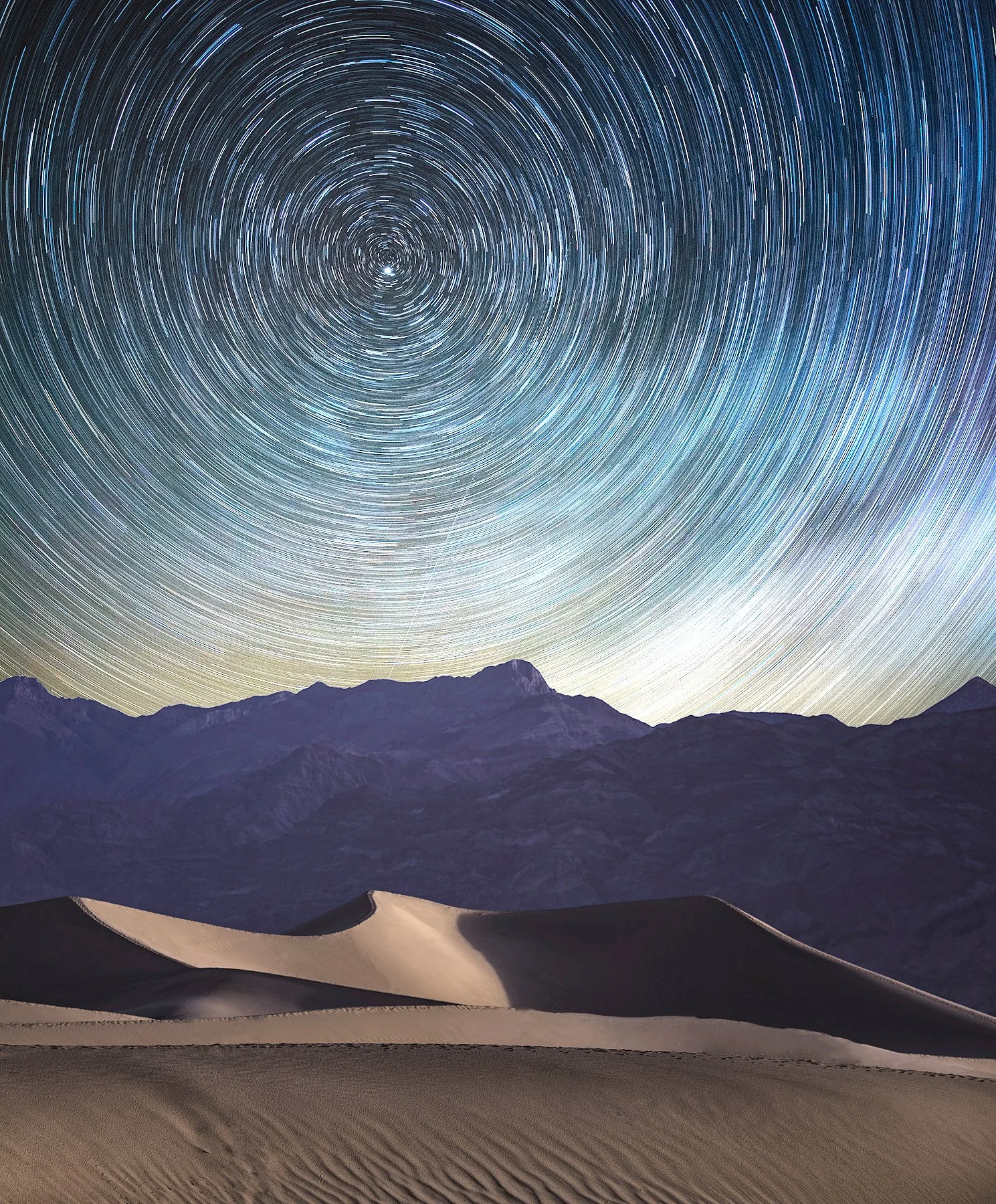
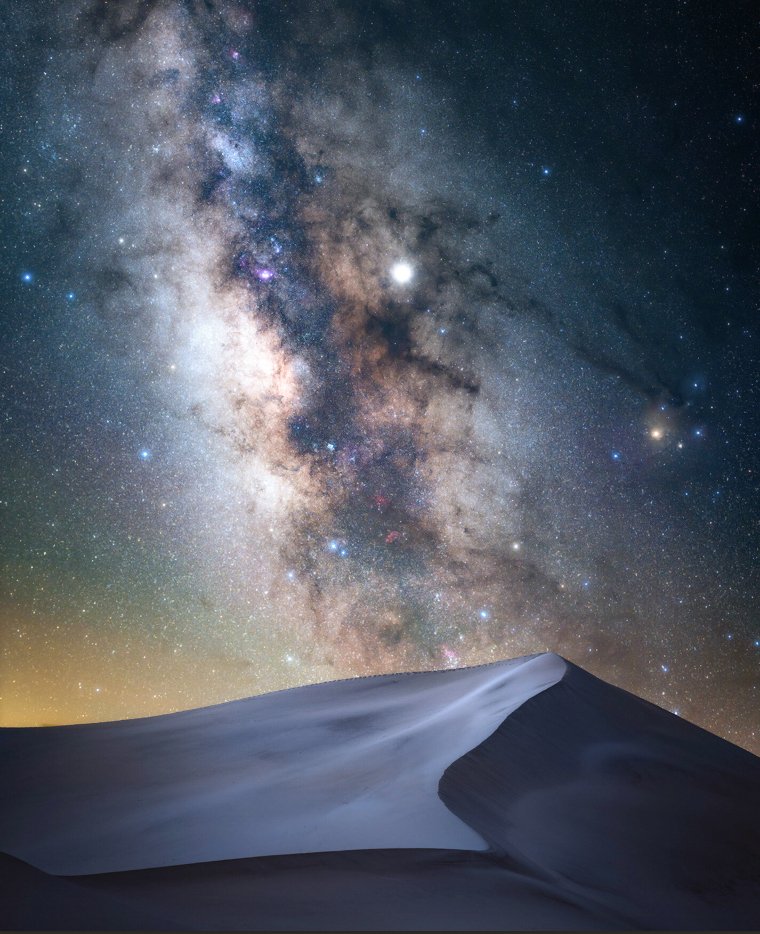
We plan to explore breathtaking scenery:
Bad Water Basin, Mesquite Flat Dunes; Artist’s Palette,
Zabriskie Point, and the best spots in the Alabama Hills
I can’t wait to share some of my favorite locations!
Testimonials
Dale D.
★★★★★
Private Utah Workshop – 2025
My non-photographer wife and I did a private 8 day photo tour with Christine. She took care of the logistics, allowing us to relax and focus on the experience. Her knowledge of the locations—especially Hanksville—was exceptional. We photographed day and night including time lapses and Milky Way panoramas. We traveled to Canyonlands, Escalante, and Bryce as well. Her knowledge of photography was amazing, and I came home with many excellent images. I can highly recommend her for either a private or a group trip.
Kialo Winters, Navajo Tours USA
★★★★★
Christine Kenyon has a good eye for composition. Her workshop participants are so lucky!
Dan. D.
★★★★★
Capture Colorado Fall – 2021
Aside from Christine's infectious enthusiasm for landscape photography, she has incredible command of all aspects of the field of photography. This includes technical competency with any type of camera/gear, artistic composition, and post processing expertise.
See What Other Workshop Participants
Had to Say About Their Experience
Behind the Scenes
WORKSHOP AT A GLANCE
PHOTOGRAPHY LEVEL: Beginner-Advanced
ACTIVITY LEVEL: Strenuous —Participants should be comfortable walking on sand dunes, and across generally sandy or rocky terrain while carrying camera equipment. Most walks during this workshop are short to moderate in length; however, reaching some of the best photographic compositions in the untouched Death Valley dunes may require longer hikes over soft and steep sand.
TERRAIN: Sand dunes, uneven and rocky terrain
ALTITUDE: • Death Valley: Sea level • Alabama Hills: 5,350’
CLIMATE: Avg. Daytime temps: 68-82˚–– Avg. Nightime temps: 35-55˚
NEAREST TOWN(S): Lone Pine (near Alabama Hills) Amargosa Valley (due east of Death Valley)
AIRPORT(S): Las Vegas – Harry Reid International Airport
TRANSPORTATION: All locations are accessible by high-clearance, all-wheel drive vehicles (e.g., RAV4)
ACCOMMODATIONS: Our group will stay at the: The Ranch at Death Valley National Park, and Dow Villa Motel in Lone Pine (Alabama Hills). Reference the Christine Kenyon workshop to access our group reservations. A credit card will be required to secure your booking.
Astronomical Snapshot (approximate)
MORNING
Blue Hour: 6:12 a.m. - 6:22 a.m.
Golden Hour: 6:22 a.m. - 7:14 a.m.
Sunrise: 6:38 a.m.
EVENING
Golden Hour: 5:44 p.m. - 6:35 p.m.
Sunset: 6:19 p.m.
Blue Hour: 6:35 p.m. - 6:46 p.m.
Milky Way: 2:37 a.m. - 5:11 a.m.
What’s Included?
Professional photographic guiding and instruction.
Detailed itinerary is emailed to you approximately 45 days before your trip. Includes “Capture the Night” my guide to nightsky photography (PDF).
Pre-trip Zoom orientation scheduled approximately 30 days prior to the workshop start date.
Post-workshop virtual image review and post-processing session for the group, scheduled two-three weeks following the trip.
What’s Not Included?
The cost of lodging is not included in the workshop fee. Reservations and/or lodging arrangements have been made for your single-occupancy rooms during the trip. Upon registration, you will receive complete lodging information to secure your rooms.
No ground transportation, or transportation to or from the workshop.
No food/beverages will be provided
There may be little or no cellphone coverage at the workshop locations
Any meals or accommodations before or after the workshop dates.
Medical Evacuation Insurance
Travel Medical and Trip Cancellation Insurance (optional, but recommended).
What to Bring?
Please reference my: Prepping for Your Workshop
Is Anything Required?
You are responsible for knowing your way around your camera and its menu system. My time with each of you will be spent learning to capture great images. Please do not burden others, and get less out of this event yourself – know and practice your camera, especially if you will be using any new gear on this trip. I truly desire for you to get the most out of your workshop.
Ability to shoot in a variety of weather and environmental conditions from bright sun to summer storms and at elevations ranging from near sea level to over 10,000 feet in elevation, depending on the workshop.
The ability to hike one to three miles per day over uneven, hilly terrain.
Realistically assess your overall physical conditioning
The ability to remain flexible to make the most out of the often changing environmental conditions.
The ability to work well with others in a group setting.
Our group must stay together. Please do not wander off without telling me of your whereabouts. We will be in areas with potential hazards that include exposed cliffs, unstable terrain, and wildlife.
You are responsible for knowing and following all park or jurisdictional rules. Leave No Trace. Let’s leave it better than it was! Thank you!
Payment Terms
Your deposit of $1,400 will reserve your spot.
The remaining balance is due 120 days prior to the workshop.
All standard Terms and Conditions apply.